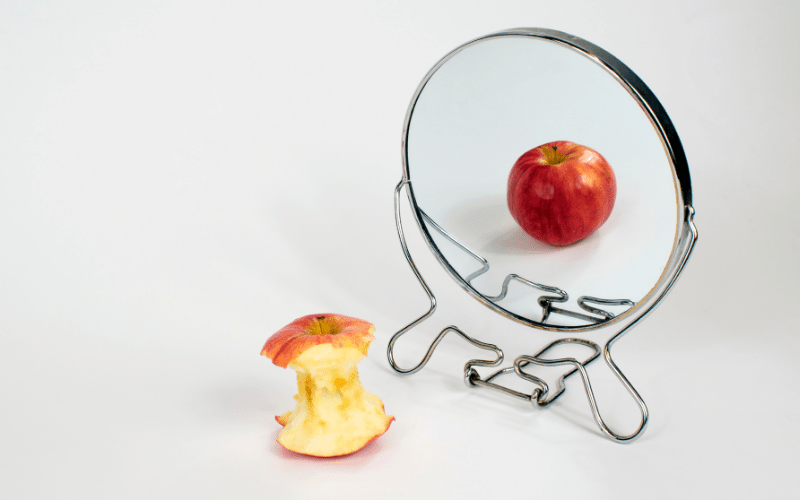
The last week in February is National Eating Disorders Awareness Week, a time to raise awareness about the realities of eating disorders and the importance of a well-rounded treatment approach, including trauma treatment. We asked Cassie Karjewski, LCSW, to tell us more about EMDR therapy and eating disorders.
Can EMDR Therapy Treat Eating Disorders?
Guest Blog Post by Cassie Krajewski, LCSW
 Traditionally, eating disorder treatment has focused on cognitive and behavioral interventions to reduce and eliminate eating disorder symptoms. However, in recent years, trauma and adverse life experiences have been recognized as common comorbidities alongside eating disorders (Moroshko, et al., 2025; Convertino et al. 2022, Brewerton 2023; Zelkowitz et al., 2021; Brewerton 2018; Keski-Rahkonen et al., 2016; Forman-Hoffman et al., 2012; Swanson et al., 2011). Additionally, studies reveal that trauma and adverse life experiences are associated with more sever eating disorders (Backholm et al., 2013; Scharff et al., 2021; Tagay et al., 2014) as well as client disengagement or early termination from treatment (Anderson et al., 1997; Carter et al., 2006; Rodríguez et al., 2005).
As a result, trauma therapy approaches, including EMDR therapy, have become more integrated within eating disorder treatment (van der Starre et al., 2025; Brenner et al., 2025; Hatoum et al., 2024; Rossi et al., 2023; Balbo et al., 2017; Bloomgarden et al., 2008). As the rates and severity of eating disorders continue to increase, EMDR therapists are encountering more clients who have disordered relationships with food behaviors, body image, and exercise. This results in asking an important question for both clients and clinicians: Can EMDR therapy be used to treat eating disorders?
To answer this question, we first need to understand what eating disorders actually are, what drives them, and what EMDR is designed to do.
Anything but simple
Eating disorders (EDs) are often deeply misunderstood, oversimplified, or judged. To those who have not lived with an eating disorder, it can seem simple: Why are you doing this to yourself? Why not just eat? Can’t you see how that’s harming you? Can’t you just stop?
But for someone who has lived with an eating disorder (or for those who have supported someone who has one), they know that eating disorders are anything but simple.
Eating disorders are complex mental illnesses that have significant impacts physically and psychologically. It is well established by research that EDs are known to be one of the most fatal mental disorders, second only to opioid use disorder (Auger et al., 2021; Deloitte Access Economics 2020; Smith et al., 2018; Arcelus et al., 2011). Eating disordered related deaths can be due to suicide or due to the medical impact of the eating disorder itself. EDs have significant medical consequences to physical wellbeing–every organ system in the body is impacted.
Eating disorders commonly have co-occurring conditions such as anxiety disorders, mood disorders, dissociative disorders (Brewerton et al. 2024; Rabito-Alcón, et al, 2020; La Mela et al., 2010; Waller et al., 2003), obsessive compulsive disorder (Herrin et al., 2013), attention deficit and hyperactivity disorder (ADHD) (Yates et al., 2009; Biederman et al., 2007; Wentz et al., 2005), substance abuse and dependence (Mellentin et al., 2022; Eskander et al., 2020; Bahji et al., 2019; Piran, et al., 2007; Merlo et al. 2009; Harrop et al., 2010), personality disorders (Zanarini et al., 2010; Sansone et al. 2011), chronic pain (Sim et al. 2021), chronic illnesses (Scheuing et al., 2014; Quick et al., 2013)., and post-traumatic stress disorder (PTSD) (Keski-Rahkonen et al., 2016; Swanson et al., 2011).
For many, the disorder results in disrupted embodiment and fragmented relationship to one’s internal experience. Research suggests that people with eating disorders frequently experience alexithymia, dissociation, and difficulties with emotional regulation, including difficulty identifying and responding to emotional states (Meneguzzo et al., 2021). As a result, behaviors around food, weight, or body shape often emerge as strategies to manage overwhelming emotions or create a sense of control. While these behaviors may provide temporary relief, they ultimately reinforce disconnection from one’s body and emotions, making recovery a process of gradually rebuilding awareness, trust, and adaptive ways of responding to internal experience.
Challenging eating disorder myths and stereotypes
Eating disorders do not develop in isolation but need to be understood within the sociocultural context in which they emerge. The highest rates of eating disorders are seen within Western cultures which are steeped in weight stigma, anti-fat bias, appearance pressures, body objectification, and moralized ideas of health and worth (Chen et al., 2022; Stice et al., 2020; Puhl et al., 2015; Puhl et al., 2009). The pressure for achieving thinness has only intensified in recent years due to the promotion of GLP-1 medications for weight loss (originally type 2 diabetes drugs like Ozempic and Mounjaro). In today’s weight-obsessed culture, social media buzz, celebrity endorsements, and widespread prescribing of these medications have amplified the public attention on weight loss more than ever.
While it is true that thin white young females are the most likely to be diagnosed with an eating disorder, statistics compiled by the National Association of Anorexia Nervosa and Associated Disorders (ANAD) reveal that eating disorders affect people of all sizes, shapes, ages, genders, race, class, abilities, and neurotype. Unfortunately, due to bias and stereotyping of the eating disorder “look,” many people’s struggles with food, body, and movement are overlooked and left untreated. These stereotypes also obscure what eating disorders actually are and why they persist.
What causes an eating disorder?
The etiology of eating disorders is difficult to precisely identify, though the data inform us that it is likely a combination of factors, including:
- Genetics
- Hormones
- Parent’s relationship with food
- Family history of eating disorders
- Dieting/chronic dieting
- Bullying or Teasing
- Weight stigma and anti-fat bias
- Temperamental traits
- Trauma and chronic stress experiences
- Abuse, neglect, or abandonment as a child
- Identities (sexual orientation, gender, body size, race, ethnicity, immigration status, etc.) and marginalization based on those identities
Studies clearly point to the reality that the number one risk factor for developing an eating disorder is dieting, revealing that 35% of “normal dieters” progress to pathological dieting and 20-25% of those individuals develop eating disorders (Shisslak et al., 1995).
The relationship between traumatic experiences, early attachment injuries, emotional neglect, and chronic stress is clearly indicated for most people with eating disorders (Moroshko, et al., 2025; Behar et al., 2016). The risk is even higher for those who experience chronic stress as a result of being in under-resourced or historically unrepresented groups such as Veterans (Murray et al., 2023; Masheb et al., 2021; Bartlett et al., 2015), Black Indigenous People of Color (BIPOC) (Moreno et al., 2023; Uri et al., 2021; Cheng et al., 2019; Marques et al, 2011), LGBTQIA+ (Milson et al., 2021; Parker et al., 2020; Duffy et al., 2019), disabled (Cicmil et al., 2014; Gross et al., 2000), men (Andersen et al., 2022), older adults (Hadland et al., 2014; Gagne et al., 2012), and those living in larger bodies (Sutin et al, 2015; Lipson et al., 2019; Rodgers et al, 2016; Sonneville et al, 2018; Darby et al, 2007).
Trauma and body trust
Contrary to what diet culture would have us believe, eating disorders are not born from a lack of willpower, knowledge, or motivation. No one sets out to develop an eating disorder. While issues related to food, exercise, and negative body image may be the most commonly associated or “visible” symptoms of an eating disorder diagnosis, eating disorders are about so much more than food. Instead, someone’s relationship with food often becomes a symbolic medium that expresses the inexpressible: the loss of body trust. Body mistrust is at the core of how eating disorders develop and thrive.
Trust in one’s body can be disrupted by many things, including and not limited to trauma, oppression, illness, and social constructs of gender, race, sexuality, beauty, health, and weight. These experiences can become stored in the brain and body in ways that become stuck in the nervous system and are not easily accessed through logic or insight alone.
To only understand eating disorders at the level of food, body, and movement misses the root of the problem. More accurately, eating disorders should be understood as coping strategies, ways the nervous system learns to survive and cope with overwhelming experiences by avoiding, numbing, or overriding the body and its messages. The body becomes an adversary to monitor, control, or modify via food behaviors.
Eating disorder as protective
At some point in someone’s life, these ED-related strategies “worked.” Eating disorder behaviors can offer a substitute for some of the missing needs and tools that should have been, but weren’t, supplied in someone’s life. The goals of ED strategies can be seen in this light as efforts to:
- Create a sense of agency or control
- Provide comfort and soothing
- Numb overwhelming emotions or distract from distress
- Disconnect from experiences that feel too intense or unsafe
Understanding eating disorders in this way helps us ask a more appropriate and helpful question, moving from “Why won’t they just eat?” to “What is the eating disorder protecting them from?”
When disconnected from the body, these food-related behaviors may have helped someone feel safer, soothed, or more in control in an environment that was unpredictable or unsafe physically, emotionally, and/or relationally. Over time, however, what was once helpful and adaptive for survival transforms into harmful and maladaptive, consuming more physical energy, mental space, resources, and time. The same behaviors progress, becoming increasingly rigid and difficult to stop, even if someone desperately wants to change or stop the behaviors.
Seeing beyond food
If eating disorders are coping strategies, then treatment must address what the nervous system is trying to survive. This trauma-informed lens illuminates a path to effective, more long-lasting healing beyond the symptoms of food and body image.
Because these experiences are stored in the nervous system, insight alone is often not enough. This is where the necessity for trauma-focused therapies, like EMDR, can be particularly helpful.
When EMDR is helpful and when it is not
EMDR therapy and an AIP-informed approach offer a compassionate framework for eating disorder treatment. In the initial stages of history taking and treatment planning, EMDR therapists are trained to understand how their clients’ symptoms “make sense” given the context of their past experiences. So instead of exclusively focusing on ED symptoms and behaviors, the EMDR therapist works to identify the source of the present day symptom by treating the past “stuck” experiences that made the eating disorder necessary. As these underlying drivers of the ED are addressed through EMDR approaches, the rigid reliance on the eating disorder for coping softens as the nervous system no longer needs the eating disorder in the same way.
That said, EMDR is not appropriate for everyone at every stage of eating disorder treatment. EMDR targets what our bodies and brains have learned from past experiences, not physical or medical problems. Healing one’s trauma does not address the physiological impact of an eating disorder. EMDR nor any other psychotherapy can heal a malnourished brain and body—only food can do that. Untreated medical complications from an eating disorder can be severe and life-threatening, and so medical monitoring and nutritional support are an essential component of treatment.
Medical stability and adequate nourishment are essential for EMDR to be effective (note: body size is not a reliable metric for nutritional status). When the body is malnourished, the brain perceives danger and can go into “famine mode,” making it harder to regulate emotions, tolerate distress, and process past experiences.
The best practice within eating disorder treatment recommends incorporating a multidisciplinary team that includes medical care, nutrition support, and trauma-informed therapy (Woodruff et al., 2024; American Psychological Association 2020; Monteleone et al., 2019). Many people will see the most benefit when EMDR is integrated into a holistic treatment plan that includes a specialized eating disorder informed registered dietitian, physician, and psychiatrist.
EMDR does not offer a quick fix, and it is not a treatment that should be entered prematurely. For some, EMDR reprocessing may need to come later in treatment, once basic safety and stabilization are established. For others, it may be introduced earlier in treatment, with careful pacing and preparation.
What to expect from EMDR in eating disorder treatment
Healing from an eating disorder is a deeply personal and transformative journey. For those considering EMDR within the context of ED treatment, it is important to choose a therapist who has training in eating disorders and using EMDR for eating disorders.
Given the pervasive nature of eating disorders and their impact on the body, mind, and nervous system, it makes sense that moving through the eight phases may not be straightforward or quick. My experience confirms that EMDR therapy in ED treatment is typically nonlinear and slower paced. Skilled EMDR therapists will invest adequate time in building safety, strengthening affect regulation skills, and establishing an honest and trusting therapeutic relationship before moving into memory processing phases of EMDR. In eating disorder work especially, the pacing matters. Healing in EMDR therapy happens at the intersection of what is safe and manageable for that person.
Many EMDR therapists trained in working with eating disorders will spend significant time on stabilization skills, motivation for change, affect tolerance, somatic awareness, resourcing, and building trust before beginning memory reprocessing. This is essential to ensure that the work feels manageable rather than overwhelming.
Importantly, skilled EMDR therapists approach eating disorder behaviors with respect. These behaviors are not treated as “the enemy,” but as signals of unmet needs and unresolved experiences. This compassionate stance is often deeply relieving for those who have felt judged or misunderstood in the past.
EMDR therapy can provide a compassionate and more comprehensive picture of what eating disorders are, why they exist, and how to heal from them. EMDR therapy offers something powerful and often missing in traditional eating disorder treatment: a way to heal that honors both the body and the story it carries, helping recovery feel possible, real, and long lasting.
Cassie Krajewski, LCSW, is a therapist and consultant in private practice in Denver, Colorado. Her work sits at the intersections of trauma and dissociation, eating disorders and body image, sex and intimacy, and addictive processes. Krajewski is an EMDRIA Approved Consultant™, AASECT Certified Sex Therapist, Licensed Addiction Counselor, and a Certified Body Trust® Practitioner. While the AIP Model is her homebase, she also integrates ego state therapy, somatic therapy, clinical hypnosis, and liberation psychology into her practice. In addition to her work with clients, Krajewski is co-founder of IRIS Training Collective, a professional training group, where she develops and provides trainings and retreats and hosts the podcast Taking Up Space, exploring themes of embodiment, healing, and body liberation.
References
American Psychological Association. (2020, February 25). Eating disorders: Recovery. https://www.apa.org/topics/eating-disorders/recovery
Arcelus, J., Mitchell, A. J., Wales, J., & Nielsen, S. (2011). Mortality rates in patients with anorexia nervosa and other eating disorders. Archives of General Psychiatry, 68(7), 724. https://doi.org/10.1001/archgenpsychiatry.2011.74
Andersen, A. E. (2022). Males with eating disorders. In P. S. Mehler and A. E. Andersen (Eds.) Eating disorders: A comprehensive guide to medical care and complications (4th ed.) (pp. 340-378). Johns Hopkins University Press. http://dx.doi.org/10.1007/s40519-022-01479-3
Anderson, K. P., LaPorte, D. J., Brandt, H., & Crawford, S. (1997). Sexual abuse and bulimia: Response to inpatient treatment and preliminary outcome. Journal of Psychiatric Research, 31(6), 621–633. http://doi.org/10.1016/S0022-3956(97)00026-5
Auger, N., Potter, B. J., Ukah, U. V., Low, N., Israël, M., Steiger, H., Healy-Profitós, J., & Paradis, G. (2021). Anorexia nervosa and the long-term risk of mortality in women. World Psychiatry, 20(3), 448–449. https://doi.org/10.1002/wps.20904
Backholm, K., Isomaa, R., & Birgegård, A. (2013). The prevalence and impact of trauma history in eating disorder patients. European Journal of Psychotraumatology, 4(1), 22482. https://doi.org/10.3402/ejpt.v4i0.22482
Bahji, A., Mazhar, M. N., Hudson, C. C., Nadkarni, P., MacNeil, B. A., & Hawken, E. (2019). Prevalence of substance use disorder comorbidity among individuals with eating disorders: A systematic review and meta-analysis. Psychiatry research, 273, 58–66. https://doi.org/10.1016/j.psychres.2019.01.007
Balbo, M., Zaccagnino, M., Cussino, M., & Civilotti, C. (2017). Eye movement desensitization and reprocessing (EMDR) and eating disorders: A systematic review. Clinical Neuropsychiatry, 14(5), 321-329. Open access: https://www.clinicalneuropsychiatry.org/clinical-neuropsychiatry-volume-14-issue-5-october-2017/
Bartlett, B. A., & Mitchell, K. S. (2015). Eating disorders in military and veteran men and women: A systematic review. International Journal of Eating Disorders, 48(8), 1057–1069. https://doi.org/10.1002/eat.22454
Behar, R., Arancibia, M., Sepúlveda, E., & Muga, A. (2016). Child sexual abuse as a risk factor in eating disorders. In N. Morton (Ed.), Eating Disorders: Prevalence, risk factors and treatment options. (pp. 149-172) Nova Science Publishers, Inc.
Biederman, J., Ball, S. W., Monuteaux, M. C., Surman, C. B., Johnson, J. L., & Zeitlin, S. (2007). Are girls with ADHD at risk for eating disorders? Results from a controlled, five-year prospective study. Journal of Developmental & Behavioral Pediatrics, 28(4), 302–307. https://doi.org/10.1097/dbp.0b013e3180327917
Bloomgarden, A., & Calogero, R. M. (2008). A randomized experimental test of the efficacy of EMDR treatment on negative body image in eating disorder inpatients. Eating Disorders: The Journal of Treatment & Prevention, 16(5), 418-427. https://doi.org/10.1080/10640260802370598
Brenner, I., Lev-Ari, L., Bachner-Melman, R., Brand, I., Blondheim, A., Hirschmann, S., Sher, R., & Mintz-Malchi, K. (2025). The effect of eating disorders and trauma day treatment in women with eating disorders and childhood maltreatment history: A pilot study. Child Abuse and Neglect, 167, 107577. https://doi.org/10.1016/j.chiabu.2025.107577
Brewerton, T. D., Perlman, M. M., Gavidia, I., & Suro, G. (2024). The treatment of dissociative identity disorder in an eating disorder residential treatment setting. The International Journal of Eating Disorders, 57(2), 450–457. https://doi.org/10.1002/eat.24106
Brewerton, T. D. (2023). The integrated treatment of eating disorders, posttraumatic stress disorder, and psychiatric comorbidity: A commentary on the evolution of principles and guidelines. Frontiers in Psychiatry, 14. https://doi.org/10.3389/fpsyt.2023.1149433
Brewerton, T. D. (2018). An overview of trauma-informed care and practice for eating disorders. Journal of Aggression, Maltreatment, and Trauma, 28(4), 445-462. https://doi.org/10.1080/10926771.2018.1532940
Carter, J. C., Bewell, C., Blackmore, E., & Woodside, D. B. (2006). The impact of childhood sexual abuse in anorexia nervosa. Child Abuse & Neglect, 30(3), 257–269. https://doi.org/10.1016/j.chiabu.2005.09.004
Chen, C., & Gonzales, L. (2022). Understanding weight stigma in eating disorder treatment. Journal of Health Psychology, 27(13), 3028–3045. https://doi.org/10.1177/13591053221079177
Cheng, Z. H., Perko, V. L., Fuller-Marashi, L., Gau, J. M., & Stice, E. (2019). Ethnic differences in eating disorder prevalence, risk factors, and predictive effects of risk factors among young women. Eating Behaviors, 32, 23–30. https://doi.org/10.1016/j.eatbeh.2018.11.004
Cicmil, N., & Eli, K. (2014). Body image among eating disorder patients with disabilities: A review of published case studies. Body Image, 11(3), 266–274. https://doi.org/10.1016/j.bodyim.2014.04.001
Collantoni, E., Natali, L., Meregalli, V., Gentili, S., Meneguzzo, P., Tenconi, E., Cardi, V., & Favaro, A. (2025). Decoding the impact of the COVID-19 pandemic on anorexia nervosa psychopathology: A network comparison of pre- and post-pandemic onset. Psychiatry Research, 348, Article 116493. https://doi.org/10.1016/j.psychres.2025.116493
Convertino, A. D., Morland, L. A., & Blashill, A. J. (2022). Trauma exposure and eating disorders: Results from a United States nationally representative sample. The International Journal of Eating Disorders, 55(8), 1079–1089. https://doi.org/10.1002/eat.23757
Darby, A., Hay, P., Mond, J., Rodgers, B., & Owen, C. (2007). Disordered eating behaviours and cognitions in young women with obesity: relationship with psychological status. International Journal of Obesity, 31(5), 876–882. https://doi.org/10.1038/sj.ijo.0803501
Deloitte Access Economics. (June 2020). The social and economic cost of eating disorders in the United States of America: A report for the strategic training initiative for the prevention of eating disorders and the academy for eating disorders. Available at: https://www.hsph.harvard.edu/striped/report-economic-costs-of-eating-disorders/
Duffy, M. E., Henkel, K. E., & Joiner, T. E. (2019). Prevalence of self-injurious thoughts and behaviors in transgender individuals with eating disorders: A national study. Journal of Adolescent Health, 64(4), 461–466. https://doi.org/10.1016/j.jadohealth.2018.07.016
Eskander, N., Chakrapani, S., & Ghani, M. R. (2020). The risk of substance use among adolescents and adults with eating disorders. Cureus, 12(9), e10309. https://doi.org/10.7759/cureus.10309
Forman-Hoffman, V. L., Mengeling, M., Booth, B. M., Torner, J., & Sadler, A. G. (2012). Eating disorders, post-traumatic stress, and sexual trauma in women veterans. Military Medicine, 177(10), 1161–1168. https://doi.org/10.7205/milmed-d-12-00041
Gagne, D. A., Von Holle, A., Brownley, K. A., Runfola, C. D., Hofmeier, S., Branch, K. E., & Bulik, C. M. (2012). Eating disorder symptoms and weight and shape concerns in a large web-based convenience sample of women ages 50 and above: Results of the gender and Body Image (GABI) study. International Journal of Eating Disorders, 45(7), 832–844. https://doi.org/10.1002/eat.22030
Gross, S. M., Ireys, H., & Kinsman, S. L. (2000). Young women with physical disabilities. Journal of Developmental & Behavioral Pediatrics, 21(2), 87–96. https://doi.org/10.1097/00004703-200004000-00002
Hadland, S. E., Austin, S. B., Goodenow, C. S., & Calzo, J. P. (2014). Weight misperception and unhealthy weight control behaviors among sexual minorities in the general adolescent population. Journal of Adolescent Health, 54(3), 296–303. https://doi.org/10.1016/j.jadohealth.2013.08.021
Harrop, E. N., & Marlatt, G. A. (2010). The comorbidity of substance use disorders and eating disorders in women: Prevalence, etiology, and treatment. Addictive Behaviors, 35, 392–398. https://doi.org/10.1016/j.addbeh.2009.12.016
Hatoum, A. H., & Burton, A. L. (2024). Eye movement desensitization and reprocessing (EMDR) therapy for the treatment of eating disorders: A systematic review of the literature. Mental Health Science, e92. Open access: https://doi.org/10.1002/mhs2.92
Herrin, M., & Larkin, M. (2013). Nutrition counseling in the treatment of eating disorders (2nd ed.). Routledge.
Keski-Rahkonen, A., & Mustelin, L. (2016). Epidemiology of eating disorders in Europe. Current Opinion in Psychiatry, 29(6), 340–345. https://doi.org/10.1097/yco.0000000000000278
Krajewski, C. (Host). (2024). Taking Up Space Podcast [Audio podcast]. Inner Atlas Therapy. https://www.inneratlastherapy.com/podcast
La Mela, C., Maglietta, M., Castellini, G., Amoroso, L., & Lucarelli, S. (2010). Dissociation in eating disorders: Relationship between dissociative experiences and binge-eating episodes. Comprehensive Psychiatry, 51(4), 393–400. https://doi.org/10.1016/j.comppsych.2009.09.008
Lipson, S. K., & Sonneville, K. R. (2019). Understanding suicide risk and eating disorders in college student populations: Results from a national study. International Journal of Eating Disorders, 53(2), 229–238. https://doi.org/10.1002/eat.23188
Marques, L., Alegria, M., Becker, A. E., Chen, C. N., Fang, A., Chosak, A., & Diniz, J. B. (2011). Comparative prevalence, correlates of impairment, and service utilization for eating disorders across US ethnic groups: Implications for reducing ethnic disparities in health care access for eating disorders. International Journal of Eating Disorders, 44(5), 412–420. https://doi.org/10.1002/eat.20787
Masheb, R. M., Ramsey, C. M., Marsh, A. G., Snow, J. L., Brandt, C. A., & Haskell, S. G. (2021). Atypical anorexia nervosa, not so atypical after all: Prevalence, correlates, and clinical severity among United States military veterans. Eating Behaviors, 41, 101496. https://doi.org/10.1016/j.eatbeh.2021.101496
Mellentin, A. I., Mejldal, A., Guala, M. M., Støving, R. K., Eriksen, L. S., Stenager, E., & Skøt, L. (2022). The impact of alcohol and other substance use disorders on mortality in patients with eating disorders: A nationwide register-based retrospective cohort study. The American Journal of Psychiatry, 179(1), 46–57. https://doi.org/10.1176/appi.ajp.2021.21030274
Meneguzzo, P., Garolla, A., Bonello, E., & Todisco, P. (2021). Alexithymia, dissociation, and emotional regulation in eating disorders: Evidence of improvement through specialized inpatient treatment. Clinical Psychology & Psychotherapy, 29(2), 718-724. Open access: https://doi.org/10.1002/cpp.2665
Mentzelou, M., Papadopoulou, S. K., Jacovides, C., Dakanalis, A., Alexatou, O., Vorvolakos, T., Psara, E., Ntovoli, A., Chrysafi, M., Kazis, D. A., Kosti, R. I., & Giaginis, C. (2024). The COVID-19 pandemic increased the risk of eating disorders and emotional eating symptoms: A review of the current clinical evidence. COVID, 4(11), 1704-1718. https://doi.org/10.3390/covid4110119
Merlo, L. J., Stone, A. M., & Gold, M. S. (2009). Co-occurring addiction and eating disorders. In R. K. Ries, D. A. Fiellin, S. C. Miller, & R. Saitz (Eds.), Principles of addiction medicine (4th ed.). Philadelphia: Lippincott Williams & Wilkins.
Milsom, R. (2021). Growing up LGBT+: The impact of school, home, and coronavirus on LGBT+ young people. Just Like Us. https://www.justlikeus.org/wp-content/uploads/2021/11/Just-Like-Us-2021-report-Growing-Up-LGBT.pdf
Mishra, K., & Harrop, E. (2023). Teaching how to avoid overreliance on BMI in diagnosing and caring for patients with eating disorders. AMA Journal of Ethics, 25(7): E507-513. https://doi.org/10.1001/amajethics.2023.507
Monteleone, A. M., Fernandez-Aranda, F., & Voderholzer, U. (2019). Evidence and perspectives in eating disorders: a paradigm for a multidisciplinary approach. World Psychiatry: Official Journal of the World Psychiatric Association (WPA), 18(3), 369–370. https://doi.org/10.1002/wps.20687
Moreno, R., Buckelew, S. M., Accurso, E. C., & Raymond-Flesch, M. (2023). Disparities in access to eating disorders treatment for publicly-insured youth and youth of color: a retrospective cohort study. Journal of Eating Disorders, 11(1). https://doi.org/10.1186/s40337-022-00730-7
Moroshko, I., Raspovic, A., Liu, J., & Brennan, L. (2025). Trauma and eating disorders: An integrated umbrella and scoping review. Clinical Psychology Review, 119: 102592. https://doi.org/10.1016/j.cpr.2025.102592
Murray, J.H., Manila, S.L., & McQuistan, A.A. (2023). Trends in the incidence of eating disorders among active component service members, 2017 to 2021. Military Health System. https://www.health.mil/News/Articles/2023/01/01/Incidence-of-Eating-Disorders?type=Articles
National Association of Anorexia Nervosa and Associated Disorders. (n.d.). Eating disorder statistics. ANAD. https://anad.org/eating-disorder-statistic/
Parker, L. L., & Harriger, J. A. (2020). Eating disorders and disordered eating behaviors in the LGBT population: A review of the literature. Journal of Eating Disorders, 8(1). https://doi.org/10.1186/s40337-020-00327-y
Piran, N., Robinson, S. R., & Cormier, H. C. (2007). Disordered eating behaviors and substance use in women: A comparison of perceived adverse consequences. Eating Disorders, 15, 391–403. https://doi.org/10.1080/10640260701667896
Puhl, R. M., & Heuer, C. A. (2009). The stigma of obesity: A review and update. Obesity, 17(5), 941–964. https://doi.org/10.1038/oby.2008.636
Puhl, R. M., & Suh, Y. (2015). Health consequences of weight stigma. Current Obesity Reports, 4(2), 182–190. https://doi.org/10.1007/s13679-015-0153-z
Quick, V. M., Byrd-Bredbenner, C., & Neumark-Sztainer, D. (2013). Chronic illness and disordered eating: A discussion of the literature. Advances in Nutrition, 4(3), 277–286. https://doi.org/10.3945/an.112.003608
Rabito-Alcón, M. F., Baile, J. I., & Vanderlinden, J. (2020). Child trauma experiences and dissociative symptoms in women with eating disorders: Case-control study. Children, 7(12), 274. https://doi.org/10.3390/children7120274
Reed, J., & Ort, K. (2022). The rise of eating disorders during COVID-19 and the impact on treatment. Journal of the American Academy of Child and Adolescent Psychiatry, 61(3), 349–350. https://doi.org/10.1016/j.jaac.2021.10.022
Rodgers, R. F., Watts, A. W., Austin, S. B., Haines, J., & Neumark-Sztainer, D. (2016). Disordered eating in ethnic minority adolescents with overweight. International Journal of Eating Disorders, 50(6), 665–671. https://doi.org/10.1002/eat.22652
Rodríguez, M. , Pérez, V. , & García, Y. (2005). Impact of traumatic experiences and violent acts upon response to treatment of a sample of Colombian women with eating disorders. International Journal of Eating Disorders, 37(4), 299–306. https://doi.org/10.1002/eat.20091
Rossi, E., Cassioli, E., Cecci, L., Arganini, F., Martelli, M., Redaelli, C. A., Anselmetti, S., Bertelli, S., Fernandez, I., Ricca, V., & Castellini, G. (2023). Eye movement desensitisation and reprocessing as add-on treatment to enhanced cognitive behaviour therapy for patients with anorexia nervosa reporting childhood maltreatment: A quasi-experimental multicenter study. European Eating Disorders Review, 32(2), 322-337. https://doi.org/10.1002/erv.3044
Sansone, R. A., & Sansone, L. A. (2011). Personality pathology and its influence on eating disorders. Innovations in Clinical Neuroscience, 8(3), 14–18. https://pmc.ncbi.nlm.nih.gov/articles/PMC3074200/
Scharff, A., Ortiz, S. N., Forrest, L. N., & Smith, A. R. (2021). Comparing the clinical presentation of eating disorder patients with and without trauma history and/or comorbid PTSD. Eating Disorders, 29(1), 88–102. https://doi.org/10.1080/10640266.2019.1642035
Scheuing, N., Bartus, B., Berger, G., Haberland, H., Icks, A., Knauth, B., Nellen-Hellmuth, N., Rosenbauer, J., Teufel, M., & Holl, R. W. (2014). Clinical characteristics and outcome of 467 patients with a clinically recognized eating disorder identified among 52,215 patients with type 1 diabetes: A multicenter German/Austrian study. Diabetes Care, 37(6), 1581–1589. https://doi.org/10.2337/dc13-2156
Shisslak, C. M., Crago, M., & Estes, L. S. (1995). The spectrum of eating disturbances. The International Journal of Eating Disorders, 18(3), 209–219. https://doi.org/10.1002/1098-108x(199511)18:3<209::aid-eat2260180303>3.0.co;2-e
Sim, L., Harbeck Weber, C., Harrison, T., & Peterson, C. (2021). Central sensitization in chronic pain and eating disorders: A potential shared pathogenesis. Journal of Clinical Psychology in Medical Settings, 28(1), 40–52. https://doi.org/10.1007/s10880-019-09685-5
Sonneville, K. R., & Lipson, S. K. (2018). Disparities in eating disorder diagnosis and treatment according to weight status, race/ethnicity, socioeconomic background, and sex among college students. International Journal of Eating Disorders, 51(6), 518–526. https://doi.org/10.1002/eat.22846
Smith, A. R., Zuromski, K. L., & Dodd, D. R. (2018). Eating disorders and suicidality: What we know, what we don’t know, and suggestions for future research. Current Opinion in Psychology, 22, 63–67. https://doi.org/10.1016/j.copsyc.2017.08.023
Stice, E., Rohde, P., Shaw, H., & Desjardins, C. (2020). Weight suppression increases odds for future onset of eating disorders. American Journal of Clinical Nutrition, 112(4), 941–947. https://doi.org/10.1093/ajcn/nqaa146
Sutin, A. R., Stephan, Y., & Terracciano, A. (2015). Weight discrimination and risk of mortality. Psychological Science, 26(11), 1803–1811. https://doi.org/10.1177/0956797615601103
Swanson, S. A., Crow, S. J., LaGrange, D., Swendsen, J., & Merikangas, K. R. (2011). Prevalence and correlates of eating disorders in adolescents. Archives of General Psychiatry, 68(7), 714-723. https://doi.org/10.1001/archgenpsychiatry.2011.22
Tagay, S., Schlottbohm, E., Reyes‐Rodriguez, M. L., Repic, N., & Senf, W. (2014). Eating disorders, trauma, PTSD, and psychosocial resources. Eating Disorders, 22(1), 33–49. https://doi.org/10.1080/10640266.2014.857517
Uri, R. C., Wu, Y., Baker, J. H., & Munn-Chernoff, M. A. (2021). Eating disorder symptoms in Asian American college students. Eating Behaviors, https://doi.org/10.1016/j.eatbeh.2020.101458
van der Starre, J., de Jong, M., De Kleine, R. A., Voogt, C. V., Schoorl, M., & Hoek, H. W. (2025). Therapists’ attitudes and exclusion criteria for prolonged exposure and EMDR in patients with eating disorders and PTSD. European Eating Disorders Review, Early View. https://doi.org/10.1002/erv.70073
Waller, G., Babbs, M., Wright, F., Potterton, C., Meyer, C., & Leung, N. (2003). Somatoform dissociation in eating-disordered patients. Behaviour Research and Therapy, 41(5), 619–627. https://doi.org/10.1016/S0005-7967(03)00019-6
Wentz, E., Lacey, J. H., Waller, G., Råstam, M., Turk, J., & Gillberg, C. (2005). Childhood onset neuropsychiatric disorders in adult eating disorder patients. European Child & Adolescent Psychiatry, 14(8), 431–437. https://doi.org/10.1007/s00787-005-0494-3
Woodruff K., Joy E. A., Burns R. D., Summers S. A., Metos J. M., & Jordan K. C. (2024). A retrospective chart review suggests that coordinated, multidisciplinary treatment for patients with anorexia nervosa improves odds of weight restoration. Journal of Multidisciplinary Healthcare, 17: 339-351. https://doi.org/10.2147/JMDH.S437376
Yates, W. R., Lund, B. C., Johnson, C., Mitchell, J., & McKee, P. (2009). Attention-deficit hyperactivity symptoms and disorder in eating disorder inpatients. International Journal of Eating Disorders, 42(4), 375–378. https://doi.org/10.1002/eat.20627
Zanarini, M.C., Reichman, C.A., Frankenburg, F.R., Reich, D.B. & Fitzmaurice, G. (2010). The course of eating disorders in patients with borderline personality disorder: A 10-year follow-up study. International Journal of Eating Disorders, 43: 226-232. https://doi.org/10.1002/eat.20689
Zelkowitz, R. L. , Zerubavel, N. , Zucker, N. L. , & Copeland, W. E. (2021). Longitudinal associations of trauma exposure with disordered eating: Lessons from the Great Smoky Mountains study. Eating Disorders, 29(3), 208–225. https://doi.org/10.1080/10640266.2021.1921326
Back to Focal Point Blog Homepage
Additional Resources
If you are a therapist interested in the EMDR training:
- Learn more about EMDR therapy at the EMDRIA Library
- Learn more about EMDR Training
- Search for an EMDR Training Provider
- Check out our EMDR Training FAQ
If you are EMDR trained:
- Check out the EMDRIA Let’s Talk EMDR Podcast
- Check out the EMDRIA Focal Point Blog
- Learn more about EMDRIA membership
- Search for EMDR Continuing Education opportunities
If you are an EMDRIA™ Member:
- Learn more about EMDR Consultation
- Find clinical practice articles in the EMDRIA Go With That Magazine®
- Search for articles in Journal of EMDR Practice and Research in the EMDRIA Library
Related Articles