Skip to content
EMDR International Association
  • About EMDR Therapy
    • What is EMDR therapy?
      • Adaptive Information Processing (AIP) Model
      • EMDR Therapy & Addiction
      • EMDR Therapy & Anxiety
      • EMDR Therapy & Childhood Trauma
      • EMDR Therapy & Depression
      • EMDR Therapy & PTSD
    • Experiencing EMDR Therapy
    • EMDR Therapy in Treatment Guidelines
    • Recent Research on EMDR Therapy
    • Find an EMDR Therapist®
  • EMDR Training
    & Education
    • EMDR Education Calendar
    • EMDR Basic Training
      • 5 Steps to Take an EMDRIAâ„¢ Approved EMDR Basic Training
      • Eligibility Requirements for EMDR Basic Training
      • EMDR Basic Training FAQs
      • Training vs Certification
      • Find an EMDR Basic Training
    • Continuing Education
      • OnDemand Education
    • EMDRIA Conference
    • EMDRIA Summit
      • Summit Speaker Resources
    • EMDRIAâ„¢ Digital Badges
    • EMDRIA Certified Therapistâ„¢ Application
      • How to Market Yourself as an EMDRIA Certified Therapistâ„¢
      • EMDRIA Certified Therapistâ„¢ FAQs
      • Membership vs Certification
      • EMDRIA Certified Therapistâ„¢ Renewal
    • EMDRIA Approved Consultantâ„¢ Application
      • Updating EMDRIA Approved Consultantâ„¢ Standards
      • CIT Declaration Form
      • EMDRIA Approved Consultant in Trainingâ„¢ FAQs
      • Consultation Packet
      • EMDRIA Approved Consultantâ„¢ Renewal
      • Consultant Day Events
    • EMDRIA Credit Provider & Program Applications
    • EMDRIA Approved Trainerâ„¢ Application
    • EMDR Basic Training Policies & Requirements
    • Standards for EMDR Basic Training
    • Trainer Day Events
  • Publications
    & Resources
    • EMDRIA Library
    • Glossary of EMDR Terms
    • Antiracism Resources
    • Online EMDR Therapy Resources
    • Focal Point Blog
      • Subscribe to Focal Point Blog
    • Go With That Magazine®
    • Journal of EMDR Practice & Research®
    • Let’s Talk EMDR Podcast
    • Toolkits & Practice Resources
      • 8 Phases Toolkit
      • Building Your EMDR Practice Toolkit
      • Client Brochures
      • Addictions Toolkit
      • Depression Toolkit
      • EMDRIA Children’s Toolkit
      • Chronic Pain Toolkit
      • Military Toolkit
      • EMDR Consultation Toolkit
    • Kits y Recursos Prácticos
      • Folletos de Terapia EMDR
      • Kit de las 8 Fases
      • Kit de la Depresión
      • Kit del Dolor Crónico
      • Kit de los Niños y Niñas
  • EMDRIAâ„¢ Membership
    • Join EMDRIAâ„¢
      • Retired Membership
      • Agency Group Membership
      • International Affiliate Organizations
    • Member Hub
    • Renew EMDRIAâ„¢ Membership
    • Membership Benefits
    • EMDRIAâ„¢ Member Account Overview
    • Directory Profile Information
    • Membership vs Certification
  • EMDRIA Online Community
    • EMDRIA Online Community
    • EMDR Topic Forums
    • Special Interest Groups
  • About
    EMDRIAâ„¢
    • EMDRIA’s 30th Anniversary
    • EMDRIAâ„¢ FAQs
    • Contact EMDRIAâ„¢
    • Contact Media Relations
    • Meet the Board of Directors
      • Call for Board of Directors Nominations
    • Board News and Updates
      • Annual Membership Meeting
    • EMDR International Associationâ„¢ Policies
    • EMDRIAâ„¢ Awards & Winners
    • EMDRIA Foundation
FacebookTwitterLinkedinInstagram
  • Join EMDRIAâ„¢
  • Contact
  • Find an EMDR Therapist®
EMDR International Association
Log In
  • About EMDR Therapy
    • What is EMDR therapy?
      • Adaptive Information Processing (AIP) Model
      • EMDR Therapy & Addiction
      • EMDR Therapy & Anxiety
      • EMDR Therapy & Childhood Trauma
      • EMDR Therapy & Depression
      • EMDR Therapy & PTSD
    • Experiencing EMDR Therapy
    • EMDR Therapy in Treatment Guidelines
    • Recent Research on EMDR Therapy
    • Find an EMDR Therapist®
  • EMDR Training
    & Education
    • EMDR Education Calendar
    • EMDR Basic Training
      • 5 Steps to Take an EMDRIAâ„¢ Approved EMDR Basic Training
      • Eligibility Requirements for EMDR Basic Training
      • EMDR Basic Training FAQs
      • Training vs Certification
      • Find an EMDR Basic Training
    • Continuing Education
      • OnDemand Education
    • EMDRIA Conference
    • EMDRIA Summit
      • Summit Speaker Resources
    • EMDRIAâ„¢ Digital Badges
    • EMDRIA Certified Therapistâ„¢ Application
      • How to Market Yourself as an EMDRIA Certified Therapistâ„¢
      • EMDRIA Certified Therapistâ„¢ FAQs
      • Membership vs Certification
      • EMDRIA Certified Therapistâ„¢ Renewal
    • EMDRIA Approved Consultantâ„¢ Application
      • Updating EMDRIA Approved Consultantâ„¢ Standards
      • CIT Declaration Form
      • EMDRIA Approved Consultant in Trainingâ„¢ FAQs
      • Consultation Packet
      • EMDRIA Approved Consultantâ„¢ Renewal
      • Consultant Day Events
    • EMDRIA Credit Provider & Program Applications
    • EMDRIA Approved Trainerâ„¢ Application
    • EMDR Basic Training Policies & Requirements
    • Standards for EMDR Basic Training
    • Trainer Day Events
  • Publications
    & Resources
    • EMDRIA Library
    • Glossary of EMDR Terms
    • Antiracism Resources
    • Online EMDR Therapy Resources
    • Focal Point Blog
      • Subscribe to Focal Point Blog
    • Go With That Magazine®
    • Journal of EMDR Practice & Research®
    • Let’s Talk EMDR Podcast
    • Toolkits & Practice Resources
      • 8 Phases Toolkit
      • Building Your EMDR Practice Toolkit
      • Client Brochures
      • Addictions Toolkit
      • Depression Toolkit
      • EMDRIA Children’s Toolkit
      • Chronic Pain Toolkit
      • Military Toolkit
      • EMDR Consultation Toolkit
    • Kits y Recursos Prácticos
      • Folletos de Terapia EMDR
      • Kit de las 8 Fases
      • Kit de la Depresión
      • Kit del Dolor Crónico
      • Kit de los Niños y Niñas
  • EMDRIAâ„¢ Membership
    • Join EMDRIAâ„¢
      • Retired Membership
      • Agency Group Membership
      • International Affiliate Organizations
    • Member Hub
    • Renew EMDRIAâ„¢ Membership
    • Membership Benefits
    • EMDRIAâ„¢ Member Account Overview
    • Directory Profile Information
    • Membership vs Certification
  • EMDRIA Online Community
    • EMDRIA Online Community
    • EMDR Topic Forums
    • Special Interest Groups
  • About
    EMDRIAâ„¢
    • EMDRIA’s 30th Anniversary
    • EMDRIAâ„¢ FAQs
    • Contact EMDRIAâ„¢
    • Contact Media Relations
    • Meet the Board of Directors
      • Call for Board of Directors Nominations
    • Board News and Updates
      • Annual Membership Meeting
    • EMDR International Associationâ„¢ Policies
    • EMDRIAâ„¢ Awards & Winners
    • EMDRIA Foundation

A comparison of attachment-based EMDR therapy and standard EMDR therapy for adolescents with bullying-related trauma symptoms: A randomized controlled trial (Acta Psychologica)

Article-FeaturedImage

Home / Resources / Anxiety/Panic/Phobias / A comparison of attachment-based EMDR therapy and standard EMDR therapy for adolescents with bullying-related trauma symptoms: A randomized controlled trial (Acta Psychologica)

A comparison of attachment-based EMDR therapy and standard EMDR therapy for adolescents with bullying-related trauma symptoms: A randomized controlled trial

This study evaluated the efficacy of Attachment-Based EMDR (AB-EMDR) in reducing trauma and anxiety symptoms in adolescent bullying victims compared to standard EMDR therapy.


Article Abstract

“Background: Adolescent bullying is a significant public health concern, often leading to anxiety, depression, and trauma-related symptoms. While Eye Movement Desensitization and Reprocessing (EMDR) has proven effective in addressing trauma in youth, its application specifically for bullying-related trauma remains limited, particularly in non-Western contexts. Attachment-based therapies, which enhance relational security, have shown potential in reducing trauma symptoms, but their integration with EMDR has not been widely explored. Considering the relational nature of bullying-related trauma, combining attachment-focused approaches with EMDR may improve therapeutic outcomes.

Objective: This study evaluated the efficacy of Attachment-Based EMDR (AB-EMDR) in reducing trauma and anxiety symptoms in adolescent bullying victims compared to standard EMDR therapy.

Methods: A randomized controlled trial was conducted with 50 adolescent bullying victims aged 12 to 18 years, who were randomly assigned to either the experimental group (AB-EMDR; n = 25) or the control group (standard EMDR; n = 25). We used the Bangla Children’s Revised Impact of Event Scale (CRIES-13) and Beck Anxiety Inventory (BAIsingle bondY) for assessing trauma and anxiety symptoms at baseline, mid-intervention, post-intervention, and two-month follow-up. AB-EMDR incorporated attachment-focused adjuncts, including self-compassion exercises, emotion regulation strategies, empathy training, and relational role-play, alongside the standard EMDR eight-phase protocol.

Results: MANOVA showed significant group differences, with AB-EMDR yielding greater reductions in trauma and anxiety (ηp2 = 0.721). Significant time effects (ηp2 = 0.530) indicated improvement from baseline to post-intervention, maintained at follow-up. The group × time interaction (ηp2 = 0.243) suggested faster and larger symptom reduction in AB-EMDR. Post-hoc analysis revealed substantial enhancements from T0 to T2.

Conclusion: EMDR effectively reduced trauma symptoms and anxiety in a sample of adolescent bullying victims, and incorporating attachment-based interventions enhances outcomes. Integrating attachment-focused elements within EMDR appears promising; however, further studies with larger, more diverse populations are warranted.”

—Description from publisher

Article Access

Open Access

Mahmood, S., Lakatos, K., Endeladze, M., & Kalo, Z. (2025). A comparison of attachment-based EMDR therapy and standard EMDR therapy for adolescents with bullying-related trauma symptoms: A randomized controlled trial. Acta Psychologica, 261, 106023. Open access: https://doi.org/10.1016/j.actpsy.2025.106023 


View the Resource
Basic Info Collapse

Date
November 28, 2025

Creator(s)
Sabrina Mahmood, Kristof Lakatos, Mariam Endeladze

Contributor(s)
Zsuzsa Kalo

Topics
Anxiety/Panic/Phobias, Attachment, Childhood Trauma

Client Population
Adolescents

More Info Collapse

Extent
8 pages

Publisher
Elsevier

Rights
© 2025 The Authors.

APA Citation
Mahmood, S., Lakatos, K., Endeladze, M., & Kalo, Z. (2025). A comparison of attachment-based EMDR therapy and standard EMDR therapy for adolescents with bullying-related trauma symptoms: A randomized controlled trial. Acta Psychologica, 261, 106023. Open access: https://doi.org/10.1016/j.actpsy.2025.106023 

Audience
EMDR Therapists

Language
English

Content Type
Article, Peer-Reviewed, RCT

Access Type
External Resource, Open Access

Related Resources

EMDRIA Consultation Packet

Read More

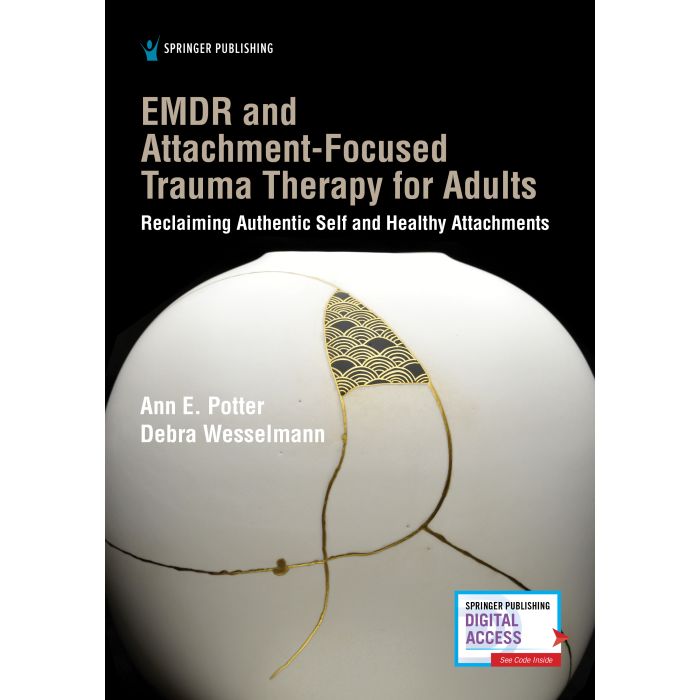
EMDR and Attachment-Focused Trauma Therapy for Adults: Reclaiming Authentic Self and Healthy Attachments (Springer, 2022)

Read More

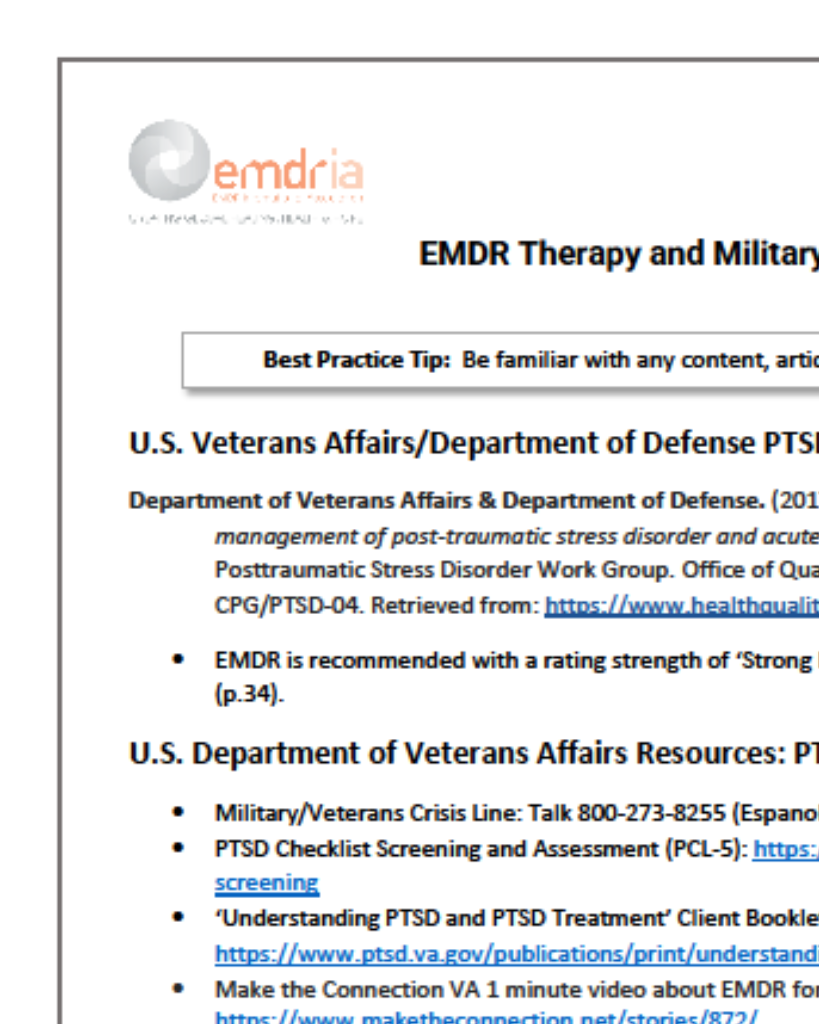
EMDR Therapy and Military Resource List

Read More

Find an EMDR Therapist®

EMDRIAâ„¢ has more than 18,000 members trained to provide EMDR Therapy. Find a therapist near you.

Find an EMDR Therapist®
sun-flare-min
logo-emdria-grayscale-min

7000 N Mo Pac Expy
Ste 200
Austin, TX 78731-3013

Email info@emdria.org

Phone 512-451-5200

EMDRIA Facebook EMDRIA Twitter EMDRIA LinkedIn EMDRIA YouTube EMDRIA Online Community
  • About EMDR Therapy
  • EMDR Training and Education
  • EMDRIAâ„¢ Membership
  • Publications & Resources
  • EMDRIA Online Community
  • EMDRIA Foundation
  • Privacy Policy
  • Copyright Policy
  • Accessibility Statement
  • Sitemap
gold-circle-2022

© 1995-2025 EMDR International Association™. All rights reserved.

Website by Yoko Co

  • This field is for validation purposes and should be left unchanged.
  • This field is hidden when viewing the form
  • This field is hidden when viewing the form
  • This field is hidden when viewing the form
  • This field is hidden when viewing the form
  • This field is hidden when viewing the form
  • Please be aware that email is not a secure means of communication and spam filters may prevent your email from reaching the therapist. We recommend you follow up with a phone call. Sending an email using this page does not guarantee that the recipient will receive, read, or respond to your email.

    If this is an emergency do not use this form. Call 911 or your nearest hospital.

We use cookies to ensure the best website experience. See our privacy policy to learn more.