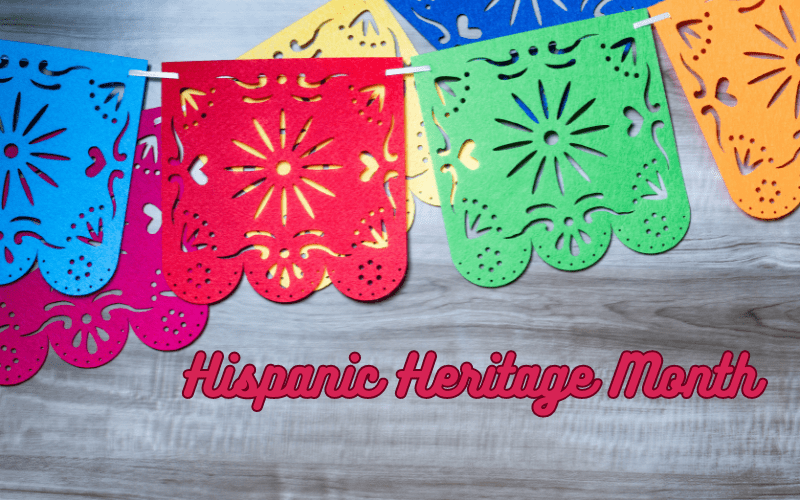
In order to recognize Hispanic Heritage Month(opens in new tab), we asked EMDRIA members for video or written responses to the following question:
*** Sousan Amiri, LMFT(opens in new tab), California, USA, EMDRIA Certified Therapist™ – “A culturally responsive EMDR case conceptualization for a Hispanic/Latinx client should focus on the individual’s unique cultural identity rather than assumptions based on ethnicity. Important factors include cultural values, family relationships, language preferences, spirituality, immigration or acculturation experiences when relevant, and experiences of discrimination or marginalization. The therapist should explore how culture may influence beliefs about trauma, emotional expression, help-seeking, family obligations, and healing. Values such as familismo and respeto may serve as strengths while also contributing to stress or difficulty setting boundaries. It is important to understand the client’s personal meaning of the trauma and culturally influenced beliefs related to shame, responsibility, safety, and self-worth. Treatment should incorporate cultural strengths, remain collaborative and flexible, and be guided by cultural humility, curiosity, and ongoing awareness of the therapist’s own assumptions.”
*** Esther Arredondo, LMFT,(opens in new tab) California, USA, EMDRIA Certified Therapist™
*** Melissa Barsotti, LCSW(opens in new tab), California, USA, EMDRIA Certified Therapist™ – “Culturally responsive EMDR case conceptualization requires moving beyond assumptions about culture based on ethnicity or country of origin. I was born in Mexico, raised in the United States, and raised culturally Mexican, yet I cannot speak for all Mexican Americans. Culture also lives within families, relationships, religion, gender roles, language, socioeconomic experiences, and the messages we receive about ourselves and the world. Cultural responsiveness requires curiosity about the specific person or system in front of us: How do they experience their world? How does their brain process thoughts, images, sensations, emotions, attention, urges, and impulses? Exploring neurotype, whether known or not, matters because neurotype is part of the terrain through which life is experienced. Culturally responsive conceptualization maps these intersections rather than making assumptions. It explores how neurotype, family, culture, relationships, identity, and lived experiences interact and shape what a person learns about themselves, others, and the world.”
*** Liliana Baylon, LMFT-S(opens in new tab), Colorado, USA, EMDRIA Certified Therapist™ and Approved Consultant™ – “To effectively conceptualize cases with Hispanic/Latinx clients, therapists must do more than follow the standard protocol and consider cultural context throughout the eight phases. Level of acculturation and generational status, which influence clients’ relationships with family, authority, and disclosure; familismo and respeto, cultural values that influence readiness to process material related to family loyalty or hierarchy; language, as trauma memories are often stored in the client’s first language, making bilingual processing (or at least assessment in that language) clinically relevant; and spirituality/religion, including curanderismo or folk healing beliefs that may be combined with EMDR. Clinicians should also see prejudice, migratory trauma, and intergenerational/historical trauma as key targets, not peripheral stressors. Finally, creating confianza (trust) through personalismo, warmth, and relational presence typically occurs before preparing for phase 2 resourcing. Cultural humility isn’t an add-on; it’s built into target selection itself.”
*** Muriel Casamayor, LMFT(opens in new tab), California, USA, EMDRIA Certified Therapist™ – “As an Afro-Peruvian immigrant, my lived experience has taught me that culturally responsive EMDR begins with understanding that there is no single Hispanic or Latinx experience. Our identities are shaped by race, migration, language, family, community, and the systems we navigate. When conceptualizing through the AIP model, I look beyond the presenting symptom and remain curious about experiences such as migration, family separation, discrimination, acculturation, and immigration-related uncertainty. But I also remind myself that our culture is not only a source of adversity—it can be a powerful source of healing. Family, community, spirituality, traditions, ancestral practices, and collective resilience can become meaningful resources throughout EMDR therapy. My lived experience continually reminds me to ask: Am I understanding this experience through my client’s cultural meaning-making, or through my own assumptions? Culturally responsive EMDR requires humility, curiosity, and a willingness to listen before we adapt.
*** Alejandra Esparza, LPC(opens in new tab), Texas, USA, EMDRIA Certified Therapist™ – “For me, culturally responsive EMDR begins with taking the time to understand the client beyond the trauma from a lens of how being Hispanic/Latinx has shaped their family relationships, identity, values, spirituality, language, sense of safety, and experiences of belonging or discrimination. I also explore immigration or acculturation experiences when it is relevant, without assuming they are part of the client’s story. Culture plays an important role in how a client understands trauma, expresses emotions, seeks support, and makes meaning of healing. The most important factor, in my perspective, is cultural humility, such as remaining curious, listening without assumptions, and allowing the client to define as well as embrace what their culture means to them. EMDR case conceptualization should be collaborative and flexible, with the client’s lived experience guiding the work rather than cultural stereotypes.
*** Natalie Flores, LMFT(opens in new tab), California, USA, EMDRIA Certified Therapist™ and Approved Consultant in Training™ – “Curiosity is the primary factor that assists me with ensuring culturally responsive EMDR case conceptualization for someone who identifies as Hispanic/Latinx. Throughout the years of being in this field, I have learned that no one has the exact same experience, even people who are in the same place at the same time, experiencing the same thing. As a Hispanic woman myself, I realize that many factors like assigned sex at birth, gender identity, SES, education, sexuality, religion, when my family came to this country and how, languages, citizenship status, the shade of skin color, birth order, what country my family originated from, and where I grew up in this country all played a factor in my experience of being Hispanic. Being curious and mindful of people’s experiences has been extremely helpful, and I’d encourage other clinicians to engage with their curiosity when working with Hispanic individuals and other diverse populations.”
*** Janet Garcia, LCSW(opens in new tab), Florida, USA, EMDRIA Certified Therapist™ and Approved Consultant™ – “A culturally responsive EMDR case conceptualization begins with recognizing that being Hispanic/Latina is not a single experience. I consider how culture, family, gender roles, birth order, immigration experiences, language, spirituality, and intergenerational patterns shape a client’s understanding of themselves and their trauma. As a Hispanic therapist, I also examine my own cultural lens and avoid assuming my client’s experiences mirror my own. For example, an older daughter may carry expectations and responsibilities that differ significantly from her siblings. Ideas about family loyalty, self-sacrifice, and responsibility can also influence what healthy boundaries look like. A boundary that feels healthy in one cultural context may feel rejecting or disloyal in another. Ultimately, culturally responsive EMDR means being curious, asking rather than assuming, and understanding how culture can shape both a client’s wounds and their strengths.”
*** Diana Gonzales-Ricard, LCSW(opens in new tab), New York, USA
*** Barbara Horne, RP(opens in new tab), Ontario, Canada, EMDRIA Certified Therapist™, Approved Consultant™, and Trainer™ – “What helps is for the white clinician to ‘do the work’ of exploring their own white supremacy & “conspiracy of silence.” Some good materials to help with this include Layla Saad’s Me & White Supremacy journalling process, Derald Wing Sue’s Race Talk & the Conspiracy of Silence, and David Archer’s works on anti-racist psychotherapy. Jasmine Adam’s and Shelley Spear Chief’s workshops on anti-oppression EMDR are also useful. But these resources won’t avail without the courage to embrace this sometimes-uncomfortable work, through self-reflection, exploration & talk. The clinician has to be an anti-racist by initiating ‘difficult conversations’ with people in their lives. There is no such thing as a passive non-racist—we’re either racist or anti-racist. It’s doing the work of becoming a “good ally”, a “good ancestor” and a “revolutionary psychotherapist” (Sue, Saad & Archer) that counts. Encourage race talk—start talking, everywhere (in personal life as well as practice).”
*** Lolina Koopmans, RCC(opens in new tab), British Columbia, Canada
*** Daria Portillo, LMFT(opens in new tab), California, USA, EMDRIA Certified Therapist™
*** Sabrina Sartori Chouinard, LISW(opens in new tab), Iowa, USA, EMDRIA Certified Therapist™, and Approved Consultant™ – “As a Brazilian clinician who has practiced in both Brazil and the United States, I have learned how important it is to understand the person beyond a cultural label. Hispanic/Latinx communities are very diverse, and language, family values, immigration, spirituality, and community can influence how trauma is experienced and understood. In my EMDR case conceptualization, I am curious about the client’s story, how they got here, and how their culture has shaped how they see themselves, relate to others, and cope. I also consider their immigration process, discrimination, language barriers, and adapting to a new culture while staying connected to their roots. For me, cultural responsiveness means cultural humility, asking meaningful questions, and listening without assumptions. I often ask my clients, “What would you like me to know about your culture and history of life?” and we go with that.”
*** Eugenia Tarzibachi, LMFT(opens in new tab), California, USA, EMDRIA Certified Therapist™ – “A culturally responsive EMDR case conceptualization begins with curiosity rather than assumptions. For a client who identifies as Hispanic/Latinx, it is important to explore how culture, family, language, immigration or acculturation experiences, spirituality, gender roles, community, and experiences of discrimination or belonging may have shaped the client’s sense of self and experiences of safety. I also believe we must listen carefully to the client’s own meaning-making. Cultural values such as familismo, respeto, and personalismo may be sources of profound strength, while at times also contributing to internal conflict, guilt, or difficulty establishing boundaries. These meanings are deeply individual and should never be presumed based on ethnicity alone. In EMDR, culturally responsive conceptualization means understanding the client’s experiences within their cultural context, identifying both cultural wounds and cultural resources, and allowing the client—not the clinician—to define what healing, safety, and integration look like.”
*** Gwendolyn Tinajero-Belles, LCSW(opens in new tab), Illinois, USA, EMDRIA Certified Therapist™, and Approved Consultant™ – “It is important to take into consideration how systemic oppression plays a role in the Latine community. For instance, ICE and the political climate are causing terror among families, whether they have citizenship or are undocumented. It is difficult to engage in trauma processing when the terror is still present in everyday life, whether it be watching videos of people getting kidnapped, hearing racist remarks, or fearing that you will be separated from loved ones. Another consideration is what it is like for your Latine client to be born in this country or to have migrated to this country. Many Latine individuals may feel a sense of loss for the land that they grew up in or the land that they never got to live in. Finally, it is important to embrace the culture. Many Latine countries use dance, music, movement, and the arts to express challenges. As therapists, we should embrace the ancestral wisdom that our Latine clients bring to their session.”
*** Iliamari Vazquez Houston, LCSW(opens in new tab), Arizona, USA, EMDRIA Certified Therapist™, and Approved Consultant in Training™ – “A culturally responsive EMDR case conceptualization starts with understanding that culture is part of the client’s story, not something separate from their mental health. For Hispanic/Latinx clients, I believe it is important to explore cultural identity, family values, immigration experiences, spirituality or faith, language, gender roles, and generational expectations. We also need to consider experiences of discrimination, racism, acculturation, and the pressure to navigate multiple cultural identities. Culture can influence how a client understands trauma, expresses emotions, views seeking help, and experiences safety and connection. As an EMDR therapist, I want to remain curious rather than make assumptions, allowing the client to define what their culture means to them. Incorporating culturally relevant resources, music, movement, language, and family or community values can help create a more meaningful and safe EMDR experience.”
“What factors help ensure a culturally responsive EMDR case conceptualization for a client who identifies as Hispanic/Latinx?”
*** Sousan Amiri, LMFT(opens in new tab), California, USA, EMDRIA Certified Therapist™ – “A culturally responsive EMDR case conceptualization for a Hispanic/Latinx client should focus on the individual’s unique cultural identity rather than assumptions based on ethnicity. Important factors include cultural values, family relationships, language preferences, spirituality, immigration or acculturation experiences when relevant, and experiences of discrimination or marginalization. The therapist should explore how culture may influence beliefs about trauma, emotional expression, help-seeking, family obligations, and healing. Values such as familismo and respeto may serve as strengths while also contributing to stress or difficulty setting boundaries. It is important to understand the client’s personal meaning of the trauma and culturally influenced beliefs related to shame, responsibility, safety, and self-worth. Treatment should incorporate cultural strengths, remain collaborative and flexible, and be guided by cultural humility, curiosity, and ongoing awareness of the therapist’s own assumptions.”
*** Esther Arredondo, LMFT,(opens in new tab) California, USA, EMDRIA Certified Therapist™
*** Melissa Barsotti, LCSW(opens in new tab), California, USA, EMDRIA Certified Therapist™ – “Culturally responsive EMDR case conceptualization requires moving beyond assumptions about culture based on ethnicity or country of origin. I was born in Mexico, raised in the United States, and raised culturally Mexican, yet I cannot speak for all Mexican Americans. Culture also lives within families, relationships, religion, gender roles, language, socioeconomic experiences, and the messages we receive about ourselves and the world. Cultural responsiveness requires curiosity about the specific person or system in front of us: How do they experience their world? How does their brain process thoughts, images, sensations, emotions, attention, urges, and impulses? Exploring neurotype, whether known or not, matters because neurotype is part of the terrain through which life is experienced. Culturally responsive conceptualization maps these intersections rather than making assumptions. It explores how neurotype, family, culture, relationships, identity, and lived experiences interact and shape what a person learns about themselves, others, and the world.”
*** Liliana Baylon, LMFT-S(opens in new tab), Colorado, USA, EMDRIA Certified Therapist™ and Approved Consultant™ – “To effectively conceptualize cases with Hispanic/Latinx clients, therapists must do more than follow the standard protocol and consider cultural context throughout the eight phases. Level of acculturation and generational status, which influence clients’ relationships with family, authority, and disclosure; familismo and respeto, cultural values that influence readiness to process material related to family loyalty or hierarchy; language, as trauma memories are often stored in the client’s first language, making bilingual processing (or at least assessment in that language) clinically relevant; and spirituality/religion, including curanderismo or folk healing beliefs that may be combined with EMDR. Clinicians should also see prejudice, migratory trauma, and intergenerational/historical trauma as key targets, not peripheral stressors. Finally, creating confianza (trust) through personalismo, warmth, and relational presence typically occurs before preparing for phase 2 resourcing. Cultural humility isn’t an add-on; it’s built into target selection itself.”
*** Muriel Casamayor, LMFT(opens in new tab), California, USA, EMDRIA Certified Therapist™ – “As an Afro-Peruvian immigrant, my lived experience has taught me that culturally responsive EMDR begins with understanding that there is no single Hispanic or Latinx experience. Our identities are shaped by race, migration, language, family, community, and the systems we navigate. When conceptualizing through the AIP model, I look beyond the presenting symptom and remain curious about experiences such as migration, family separation, discrimination, acculturation, and immigration-related uncertainty. But I also remind myself that our culture is not only a source of adversity—it can be a powerful source of healing. Family, community, spirituality, traditions, ancestral practices, and collective resilience can become meaningful resources throughout EMDR therapy. My lived experience continually reminds me to ask: Am I understanding this experience through my client’s cultural meaning-making, or through my own assumptions? Culturally responsive EMDR requires humility, curiosity, and a willingness to listen before we adapt.
*** Alejandra Esparza, LPC(opens in new tab), Texas, USA, EMDRIA Certified Therapist™ – “For me, culturally responsive EMDR begins with taking the time to understand the client beyond the trauma from a lens of how being Hispanic/Latinx has shaped their family relationships, identity, values, spirituality, language, sense of safety, and experiences of belonging or discrimination. I also explore immigration or acculturation experiences when it is relevant, without assuming they are part of the client’s story. Culture plays an important role in how a client understands trauma, expresses emotions, seeks support, and makes meaning of healing. The most important factor, in my perspective, is cultural humility, such as remaining curious, listening without assumptions, and allowing the client to define as well as embrace what their culture means to them. EMDR case conceptualization should be collaborative and flexible, with the client’s lived experience guiding the work rather than cultural stereotypes.
*** Natalie Flores, LMFT(opens in new tab), California, USA, EMDRIA Certified Therapist™ and Approved Consultant in Training™ – “Curiosity is the primary factor that assists me with ensuring culturally responsive EMDR case conceptualization for someone who identifies as Hispanic/Latinx. Throughout the years of being in this field, I have learned that no one has the exact same experience, even people who are in the same place at the same time, experiencing the same thing. As a Hispanic woman myself, I realize that many factors like assigned sex at birth, gender identity, SES, education, sexuality, religion, when my family came to this country and how, languages, citizenship status, the shade of skin color, birth order, what country my family originated from, and where I grew up in this country all played a factor in my experience of being Hispanic. Being curious and mindful of people’s experiences has been extremely helpful, and I’d encourage other clinicians to engage with their curiosity when working with Hispanic individuals and other diverse populations.”
*** Janet Garcia, LCSW(opens in new tab), Florida, USA, EMDRIA Certified Therapist™ and Approved Consultant™ – “A culturally responsive EMDR case conceptualization begins with recognizing that being Hispanic/Latina is not a single experience. I consider how culture, family, gender roles, birth order, immigration experiences, language, spirituality, and intergenerational patterns shape a client’s understanding of themselves and their trauma. As a Hispanic therapist, I also examine my own cultural lens and avoid assuming my client’s experiences mirror my own. For example, an older daughter may carry expectations and responsibilities that differ significantly from her siblings. Ideas about family loyalty, self-sacrifice, and responsibility can also influence what healthy boundaries look like. A boundary that feels healthy in one cultural context may feel rejecting or disloyal in another. Ultimately, culturally responsive EMDR means being curious, asking rather than assuming, and understanding how culture can shape both a client’s wounds and their strengths.”
*** Diana Gonzales-Ricard, LCSW(opens in new tab), New York, USA
*** Barbara Horne, RP(opens in new tab), Ontario, Canada, EMDRIA Certified Therapist™, Approved Consultant™, and Trainer™ – “What helps is for the white clinician to ‘do the work’ of exploring their own white supremacy & “conspiracy of silence.” Some good materials to help with this include Layla Saad’s Me & White Supremacy journalling process, Derald Wing Sue’s Race Talk & the Conspiracy of Silence, and David Archer’s works on anti-racist psychotherapy. Jasmine Adam’s and Shelley Spear Chief’s workshops on anti-oppression EMDR are also useful. But these resources won’t avail without the courage to embrace this sometimes-uncomfortable work, through self-reflection, exploration & talk. The clinician has to be an anti-racist by initiating ‘difficult conversations’ with people in their lives. There is no such thing as a passive non-racist—we’re either racist or anti-racist. It’s doing the work of becoming a “good ally”, a “good ancestor” and a “revolutionary psychotherapist” (Sue, Saad & Archer) that counts. Encourage race talk—start talking, everywhere (in personal life as well as practice).”
*** Lolina Koopmans, RCC(opens in new tab), British Columbia, Canada
*** Daria Portillo, LMFT(opens in new tab), California, USA, EMDRIA Certified Therapist™
*** Sabrina Sartori Chouinard, LISW(opens in new tab), Iowa, USA, EMDRIA Certified Therapist™, and Approved Consultant™ – “As a Brazilian clinician who has practiced in both Brazil and the United States, I have learned how important it is to understand the person beyond a cultural label. Hispanic/Latinx communities are very diverse, and language, family values, immigration, spirituality, and community can influence how trauma is experienced and understood. In my EMDR case conceptualization, I am curious about the client’s story, how they got here, and how their culture has shaped how they see themselves, relate to others, and cope. I also consider their immigration process, discrimination, language barriers, and adapting to a new culture while staying connected to their roots. For me, cultural responsiveness means cultural humility, asking meaningful questions, and listening without assumptions. I often ask my clients, “What would you like me to know about your culture and history of life?” and we go with that.”
*** Eugenia Tarzibachi, LMFT(opens in new tab), California, USA, EMDRIA Certified Therapist™ – “A culturally responsive EMDR case conceptualization begins with curiosity rather than assumptions. For a client who identifies as Hispanic/Latinx, it is important to explore how culture, family, language, immigration or acculturation experiences, spirituality, gender roles, community, and experiences of discrimination or belonging may have shaped the client’s sense of self and experiences of safety. I also believe we must listen carefully to the client’s own meaning-making. Cultural values such as familismo, respeto, and personalismo may be sources of profound strength, while at times also contributing to internal conflict, guilt, or difficulty establishing boundaries. These meanings are deeply individual and should never be presumed based on ethnicity alone. In EMDR, culturally responsive conceptualization means understanding the client’s experiences within their cultural context, identifying both cultural wounds and cultural resources, and allowing the client—not the clinician—to define what healing, safety, and integration look like.”
*** Gwendolyn Tinajero-Belles, LCSW(opens in new tab), Illinois, USA, EMDRIA Certified Therapist™, and Approved Consultant™ – “It is important to take into consideration how systemic oppression plays a role in the Latine community. For instance, ICE and the political climate are causing terror among families, whether they have citizenship or are undocumented. It is difficult to engage in trauma processing when the terror is still present in everyday life, whether it be watching videos of people getting kidnapped, hearing racist remarks, or fearing that you will be separated from loved ones. Another consideration is what it is like for your Latine client to be born in this country or to have migrated to this country. Many Latine individuals may feel a sense of loss for the land that they grew up in or the land that they never got to live in. Finally, it is important to embrace the culture. Many Latine countries use dance, music, movement, and the arts to express challenges. As therapists, we should embrace the ancestral wisdom that our Latine clients bring to their session.”
*** Iliamari Vazquez Houston, LCSW(opens in new tab), Arizona, USA, EMDRIA Certified Therapist™, and Approved Consultant in Training™ – “A culturally responsive EMDR case conceptualization starts with understanding that culture is part of the client’s story, not something separate from their mental health. For Hispanic/Latinx clients, I believe it is important to explore cultural identity, family values, immigration experiences, spirituality or faith, language, gender roles, and generational expectations. We also need to consider experiences of discrimination, racism, acculturation, and the pressure to navigate multiple cultural identities. Culture can influence how a client understands trauma, expresses emotions, views seeking help, and experiences safety and connection. As an EMDR therapist, I want to remain curious rather than make assumptions, allowing the client to define what their culture means to them. Incorporating culturally relevant resources, music, movement, language, and family or community values can help create a more meaningful and safe EMDR experience.”
Back to Focal Point Blog Homepage(opens in new tab)
Additional Resources
If you are a therapist interested in the EMDR training:- Learn more about EMDR at the EMDRIA Library(opens in new tab)
- Learn more about EMDR Training(opens in new tab)
- Search for an EMDR Training Provider(opens in new tab)
- Check out our EMDR Training FAQ(opens in new tab)
Date
September 25, 2026
Client Population
Racial/Cultural/Ethnic Groups
Practice & Methods
Case Conceptualization, Your EMDR Practice